
Amid Scrutiny, the Museum of the Bible’s Founder Will Return a Staggering 11,500 Artifacts of Dubious Origin to the Middle East
After years of pressure to return potentially smuggled
artifacts, the Museum of the
Bible in Washington, DC, is facing yet another blow. Its
board chairman, Steve Green, who is also president of the Hobby
Lobby stores, is returning 11,500 antiquities from his biblical art collection
to the governments of Iraq and Egypt, with the assistance of the
museum he opened in late
2017.
Questions about the provenance of Green’s $30
million collection, which he began amassing in 2009, have
plagued the museum for
years. In 2017, Hobby Lobby returned 5,500 smuggled Iraqi
artifacts and paid a $3 million fine as part of a settlement with
the US government. A lawsuit had accused the company of importing
the ancient cuneiform tablets by claiming they were tile
samples.
“I knew little about the world of collecting,” Green told
the Wall Street
Journal last week. “The criticism of the museum resulting
from my mistakes was justified.” He claims to have instituted much
stricter protocols governing acquisitions moving forward for both
the museum and his personal collection.
Green is now returning an additional 5,000 ancient papyrus
scraps and 6,500 ancient clay pieces because their provenance
cannot be verified, prompting concerns that they could be looted or
stolen.
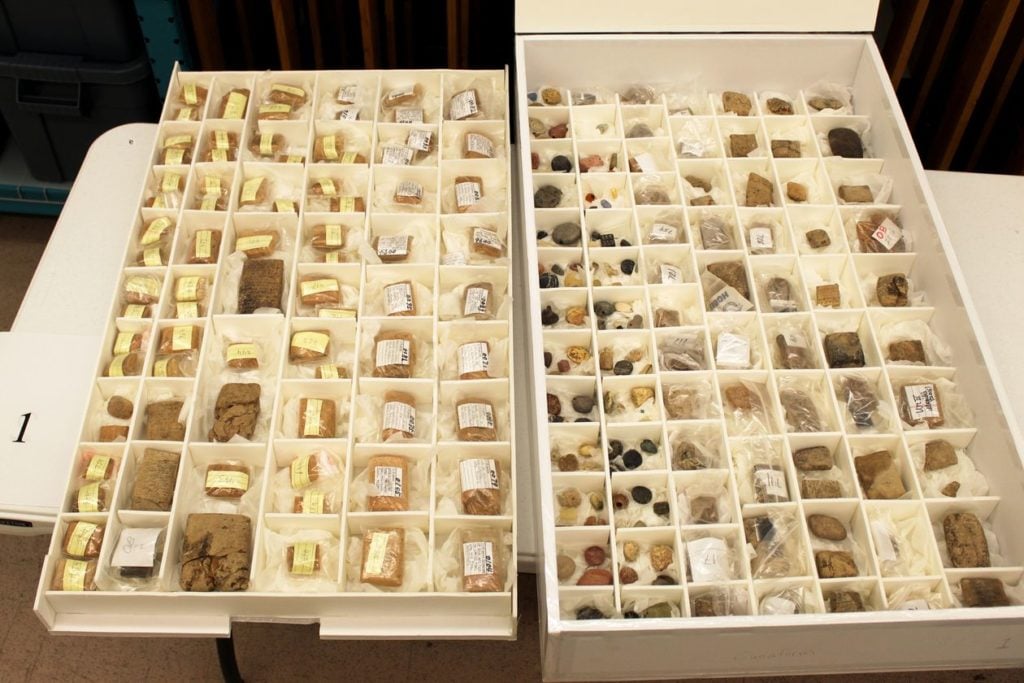
Some of the 6,500 clay objects the
Museum of the Bible is repatriating to Iraq. Photo courtesy of the
Museum of the Bible.
The museum is hoping that its curators will continue to have
scholarly access to the works—only one of which, a clay tablet
imprinted with the Babylonian epic of Gilgamesh, was ever displayed
at the institution—upon their return.
The news follows this month’s bombshell that the museum’s
much-vaunted collection of 16 fragments from the Dead Sea Scrolls are all
fake. The authenticity of works, which are among a cache of
Dead Sea Scrolls of unknown origins that came to market after 2002,
had been questioned for some time, with experts debunking five of
the 16 as modern
forgeries in 2018.
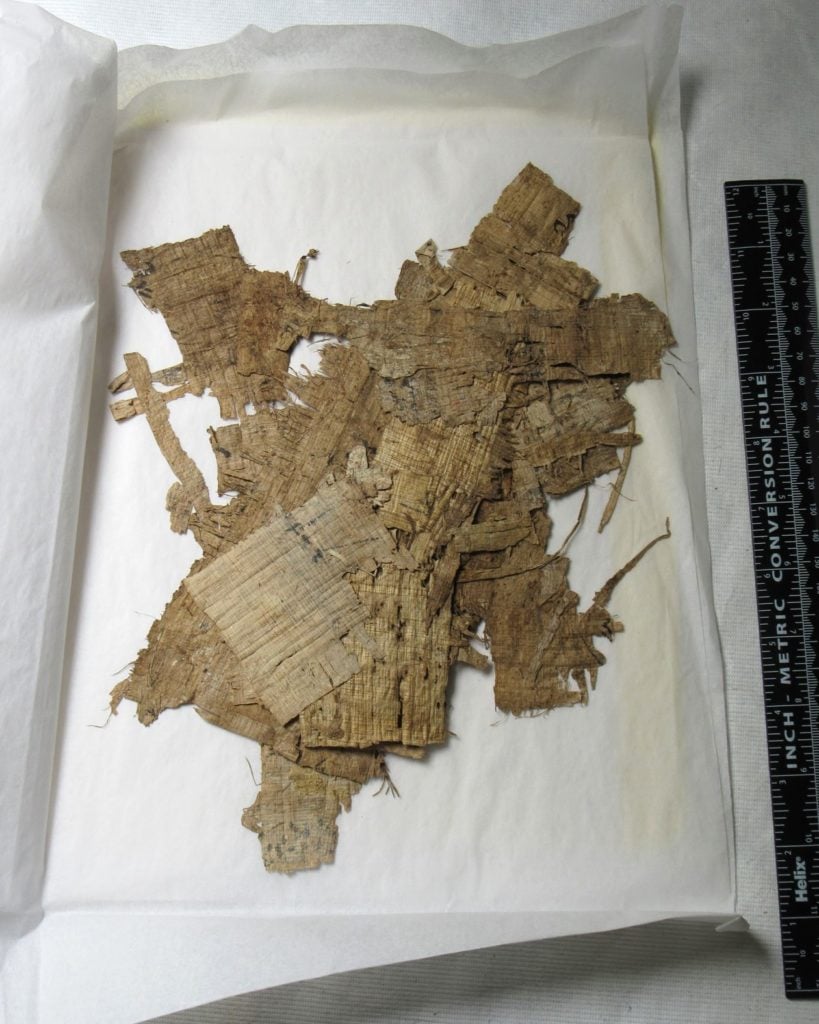
One of the 5,000 papyrus fragments the
Museum of the Bible is repatriating to Egypt. Photo courtesy of the
Museum of the Bible.
A year later, the museum also returned 13 ancient bible
fragments that an Oxford papyrologist, Dirk Obbink, is accused of
stealing from the Egypt Exploration Society at the University of
Oxford’s Sackler Library. Green claims to have bought the works
from Obbink in good faith between 2010 and 2013. Obbink—now
suspended from his post as a classics professor at the
university—denies selling them.
Despite efforts to reform its collecting practices, the Museum
of the Bible still faces criticism. The Green family “poured
millions on the legal and illegal antiquities market without having
a clue about the history, the material features, cultural value,
fragilities, and problems of the objects,” said Manchester
University papyrologist Roberta Mazza at the Society of Biblical
Literature’s annual conference in November, as reported by the
Guardian. Such
irresponsible collecting “is a crime against culture and knowledge
of immense proportions—as the facts unfolding under our eyes do
prove.”
The post Amid Scrutiny, the Museum of the Bible’s Founder
Will Return a Staggering 11,500 Artifacts of Dubious Origin to the
Middle East appeared first on artnet News.
Read more https://news.artnet.com/art-world/museum-of-bible-founder-returns-more-ancient-artifacts-1819623
Further reading


Leave a comment